Who governs the standard.
A credential is only as credible as the people accountable for it. GAISB™ is governed by a named Standards Council, an Ethics Review Board, and topic-specific Working Groups — not by a marketing team. The people seated on these bodies write the CBK, set the cut scores, review the Build Tasks, and vote to revoke the credential when the Code is broken.
A standard is only as legitimate as the humans who govern it. These are ours.
Four bodies. Clear authority. Public records.
GAISB™ is structured so that no single person — including the founder — can unilaterally change the CBK, pass a candidate who failed, or exempt a credential holder from the Code. Authority is split, minuted, and reviewable.
Standards Council.
Twelve-seat governing body. Sets the CBK. Approves exam blueprints. Adopts cut scores. Publishes the annual Standards Report. Seats rotate on a staggered four-year cycle.
- Authority · Final
Ethics Review Board.
Independent body that hears Code of Conduct complaints, publishes precedent decisions, and votes on suspension or revocation of the GAISB credential. No Council member may sit on the ERB concurrently.
- Authority · Independent
Working Groups.
Seven standing Working Groups — one per CBK domain — draft revisions, maintain the item bank, and write the rubrics. Additional ad-hoc groups (e.g. Frontier Models, Agent Safety) convene by charter.
- Authority · Drafting
GAISB Faculty.
Credential holders and Council-approved subject-matter experts who teach the curriculum, supervise Build Tasks, and sit on Capstone review panels. Faculty are appointed by the Council on a two-year renewable term.
- Authority · Delivery
Faculty & Executive Team.
The people who govern, deliver, and steward the GAISB™ standard.
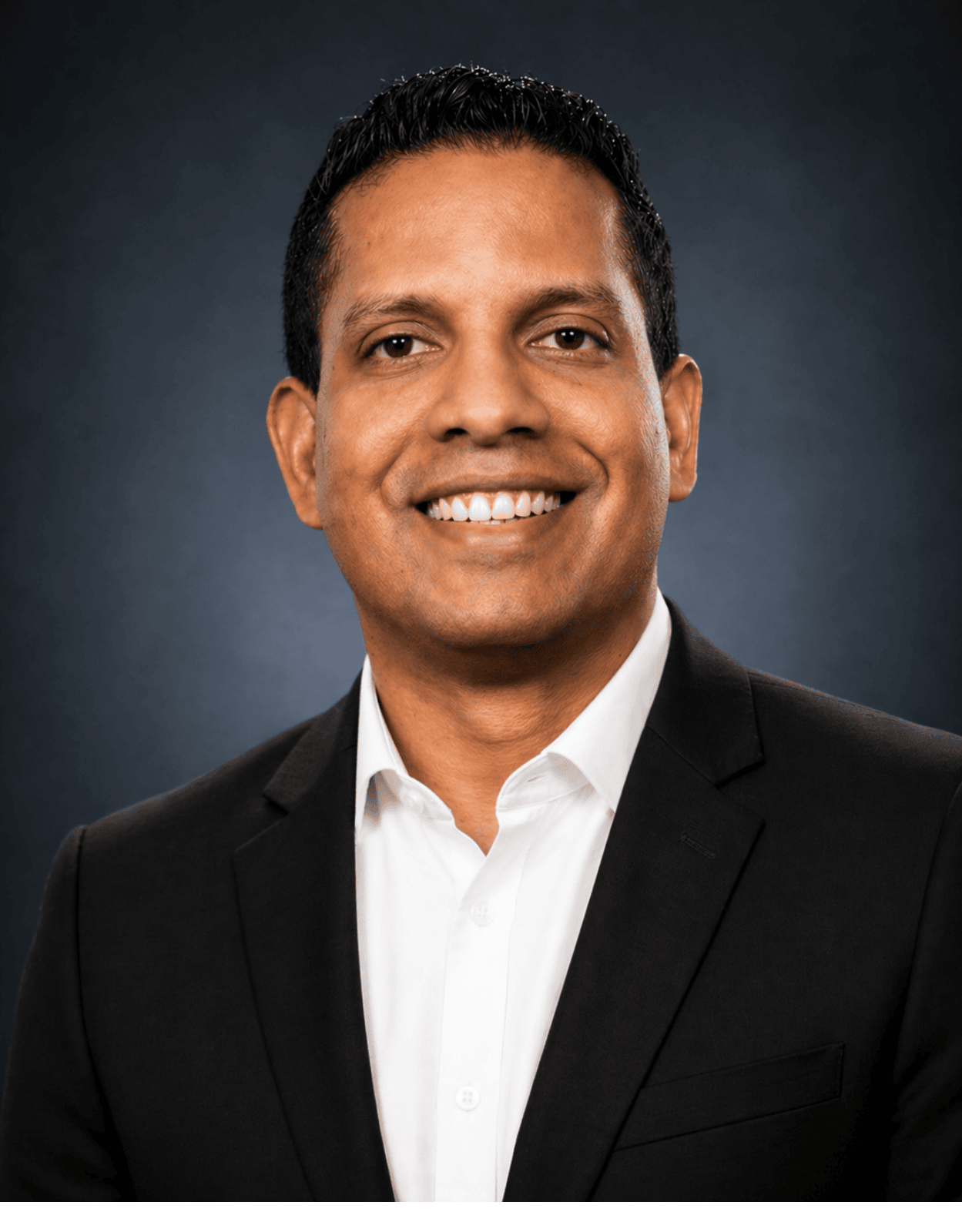
Kirwin Narine
Three decades in professional certification. Microsoft Certified Trainer. Master Certified Novell Instructor. Founding member of the International Business Training Association. Pioneered globally-recognized IT certification training across the Caribbean. Former Chief Executive Officer, Sniper Trading Club. Active operator at the intersection of AI, capital markets, and ecosystem strategy.
“Every profession in the world was built by the practitioners who refused to wait for permission. AI deserves the same.”— Kirwin Narine
Regional Partners.
Regional Partners represent GAISB™ across their territories — coordinating employer, government, and academic partnerships, and stewarding candidate pipelines and faculty appointments in-region.

Martin Lashley
 CA
CA
Vinai Charran
CA TT
TT
Giverny Snyman
 AU
AU ZA
ZA NZ
NZ
Neville Pollard
 SG
SG MY
MY TH
TH VN
VN
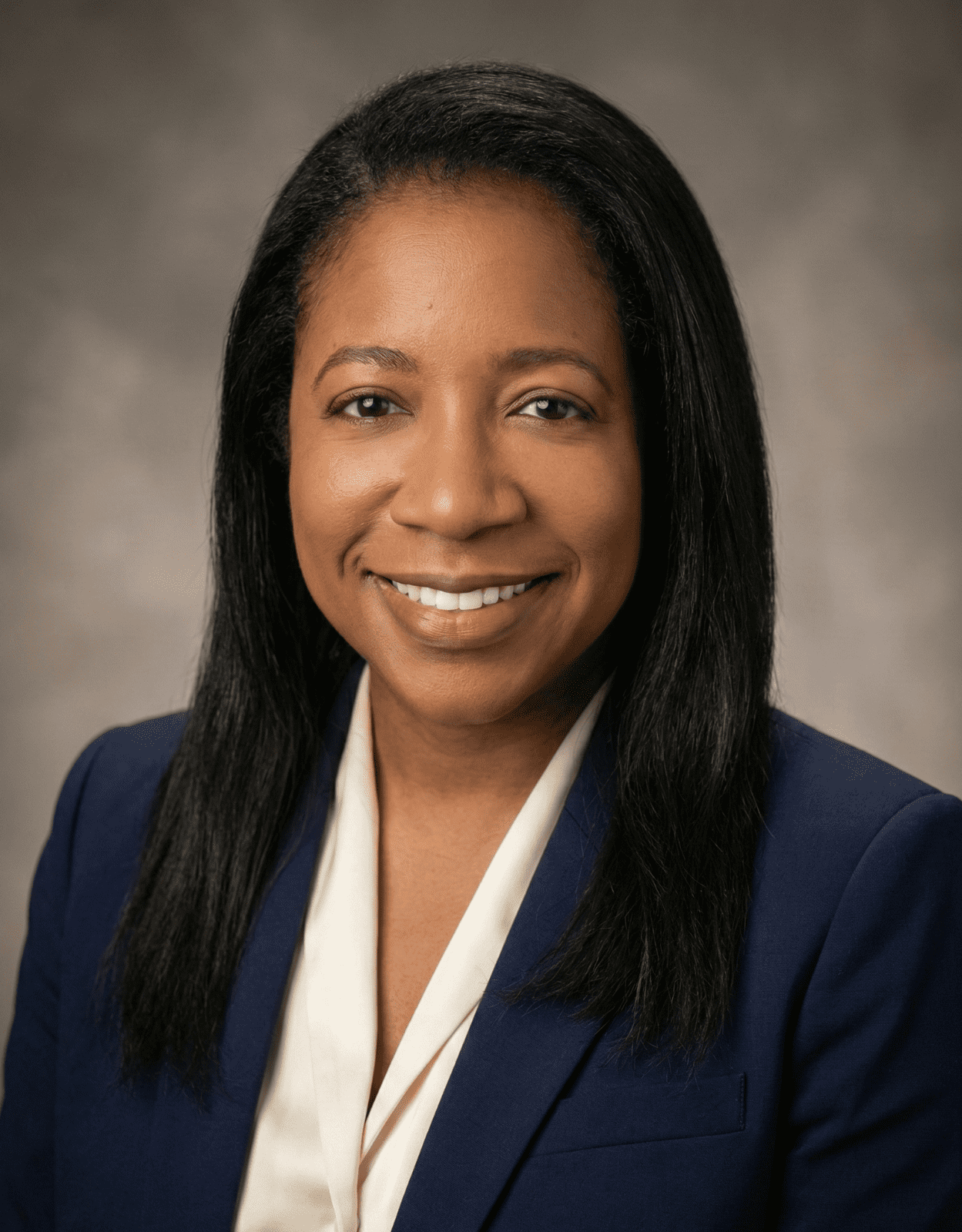
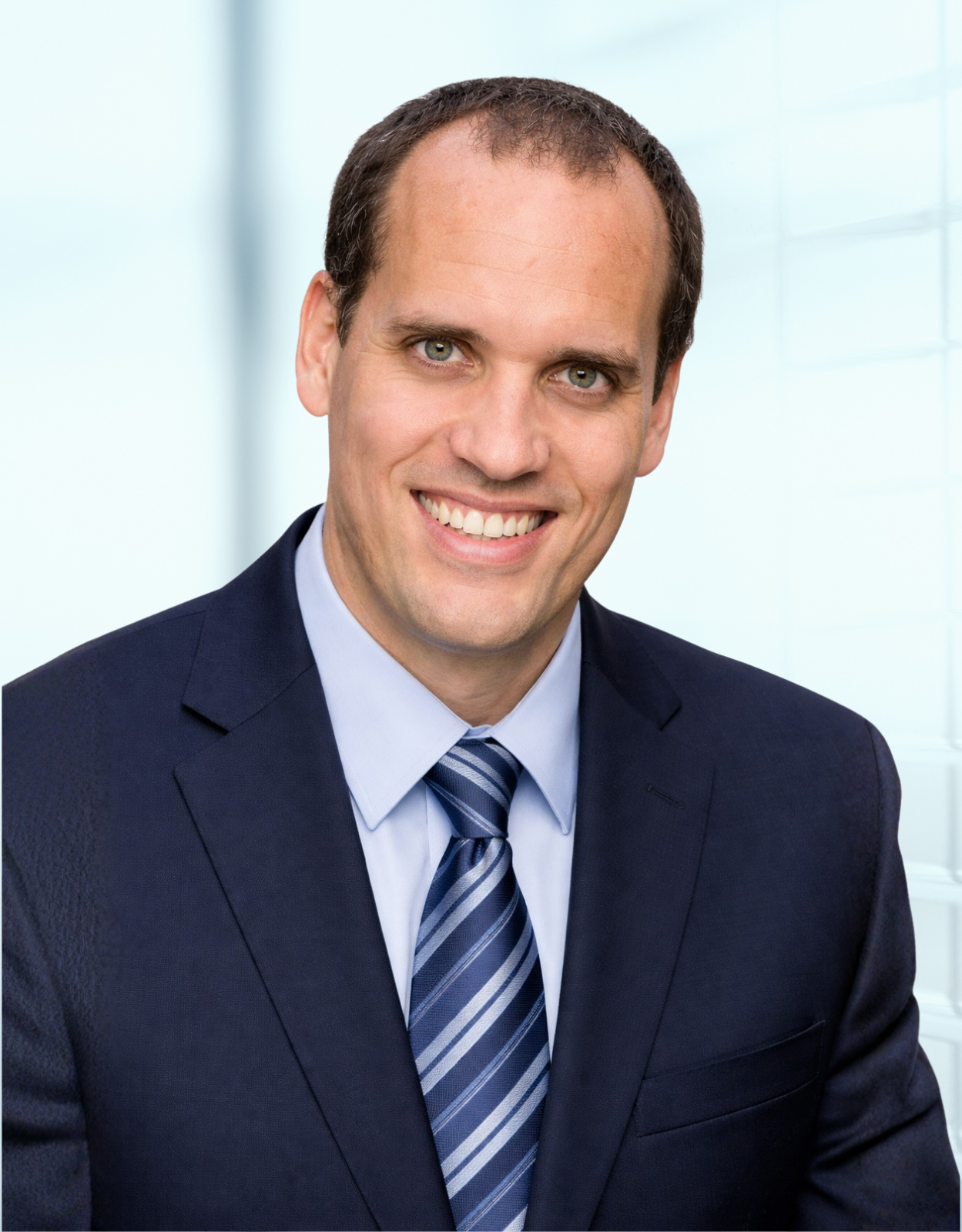



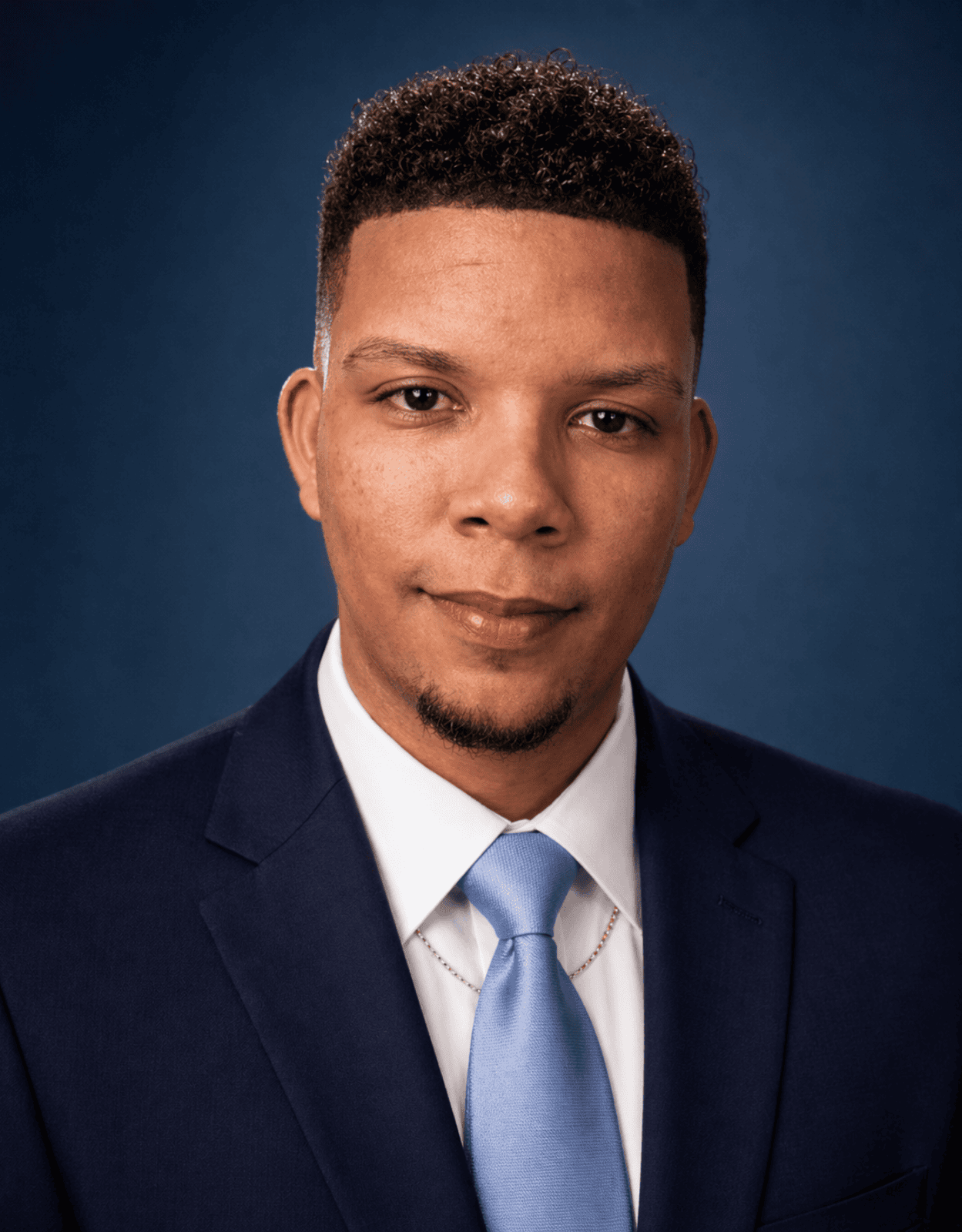

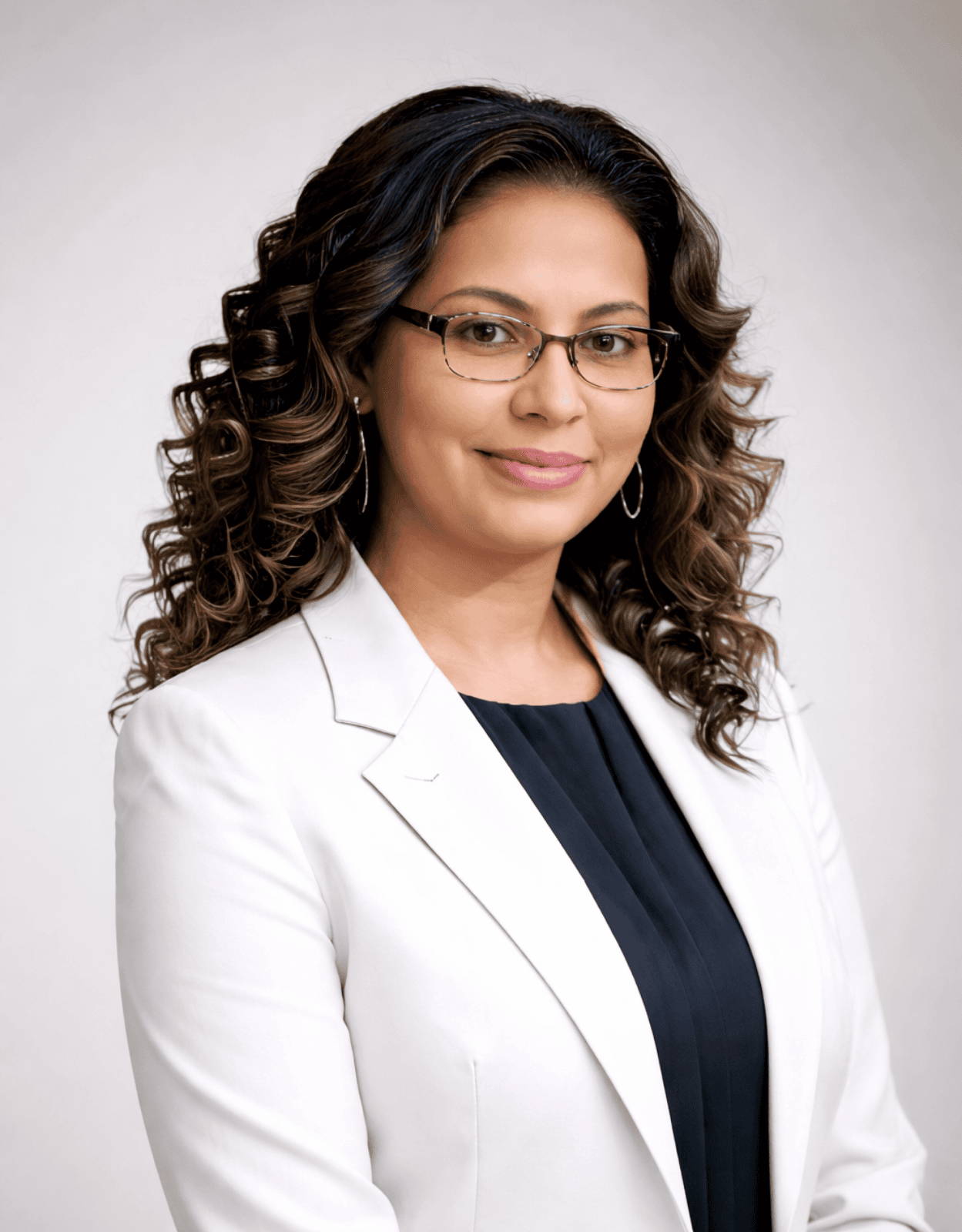


Founding Council seats are held under Founding Charter authority; independent external seats (6 of 12) are open for nomination. Related-party relationships among founding members are disclosed in the Council Register.
The Faculty.
Every GAISB course is taught by a credentialed professional — not a marketer, not a vendor employee pitching a platform. GAISB™ faculty are appointed by the Standards Council based on credential standing, subject-matter expertise, field experience, and ability to teach against the published standard. Faculty for advanced applied credentials may include GAISB AI Team Architect™ holders, Council-approved practitioners, SMEs, and qualified reviewers, on two-year renewable terms with published teaching evaluations.
Credentialed teachers only.
Active, in-the-field practitioners appointed by the Standards Council. No faculty member may teach the CBK while employed by a model vendor in a sales capacity.
Published evaluations.
Faculty ratings, pass-rate contribution, and Build Task defense outcomes are published per-cohort and reviewed annually by the Council.
Capstone reviewers.
Every Capstone is reviewed asynchronously by a four-reviewer panel. Pass requires the 75/60 rule — the mean of all four reviewers ≥ 75 with no single dimension mean below 60 — and a mandatory 10–15 minute on-camera candidate walkthrough. There is no live defense; dissents are recorded.
Conflict disclosure.
Faculty publish client rosters, equity positions, and vendor relationships in the same Council Register used for Council members. Recusal rules are enforced.
Faculty Fellowship.
Long-tenured faculty may be named Fellows of the Faculty — a recognition of sustained teaching, research, and standards contribution over three or more terms.
SME Network.
Adjunct network of industry SMEs who contribute case studies, sector rubrics, and item-writing — without teaching core courses. A path into the Faculty proper.
The Ethics Review Board.
A credential you can lose is a credential that matters. The Ethics Review Board is how that promise is kept.
How the ERB works
The ERB receives Code of Conduct complaints from any credential holder, employer, or member of the public. Panels are assembled from a rotating pool of nine appointed reviewers — each with a published disclosure of interests. Subject credential holders are afforded written response, representation, and a closed hearing. Panel decisions are adopted by majority and published as precedent in anonymized form.
Sanctions range — from written reprimand, to mandatory remedial CPE, to suspension, to permanent revocation and Registry listing as Revoked. Decisions are appealable once to the Standards Council sitting en banc.
- 1Private reprimandNon-public. On file.
- 2Public reprimandAnonymized precedent published.
- 3Remedial CPETopic-targeted retraining required.
- 4SuspensionRegistry marked Suspended; time-limited.
- 5RevocationPermanent. Registry Revoked. Ineligible to re-sit for 5 years.
Seven Working Groups. One per CBK domain.
Working Groups write what the Council adopts. They draft CBK revisions, maintain the item bank, write Build Task rubrics, and respond to the public-comment period on every revision.
AI Strategy & the Modern AI Economy.
Maintains Domain 1. Charters the "State of AI" triennial standards paper.
Foundations of Generative AI.
Maintains Domain 2. Publishes the annual Model Capability Matrix.
Prompt & System Design.
Maintains Domain 3. Owns the Evaluation Harness Reference Implementation.
Agents & Agentic Workflows.
Maintains Domain 4. Co-authors the Agent Safety & Containment Guide with WG-5.
Ethics, Data & Responsible AI.
Maintains Domain 5 and the Code of Conduct. Liaises directly with the ERB.
AI Strategy, Transformation & Business Innovation.
Maintains Domain 6. Owns the AI Operating Model & Governance Charter template.
Innovation & Applied AI Foundations.
Maintains Domain 7. Owns the Capstone rubric and the post-launch outcome registry.
Chartered by the Council.
Current ad-hoc groups: Frontier Models Review, Public-Sector Adoption, Sector Crosswalks (Finance, Health, Legal).
Charter
2026
Help author the standard. Or teach it.
Founding members co-author the CBK Edition 1.0.1 and the Code of Professional Conduct, serve on the inaugural Disciplinary Panel, sit on Working Groups, or join the Faculty as credentialed teachers. Nominations are reviewed against the Bylaws and confirmed under Founding Charter authority.
- Constitutional authorship of the CBK Edition 1.0.1 and Code of Professional Conduct
- Permanent recognition as a Founding Member in the Standards Library
- Voting seat on the Standards Council during Charter Phase
- Direct authority over framework crosswalks, exam blueprint, and capstone rubrics
- First-right of nomination to chair Working Groups or join the Faculty
Nomination form.
All nominations are reviewed by the Founding Chair and named members. Self-nominations welcome. Confidentiality preserved through review.
Help set the standard.
Every standard in the world was written by the first practitioners who chose to show up. The AI profession is writing its standard now. You can be a signature on it.